Author: Melissa Trendt, Licensed Veterinary Technician
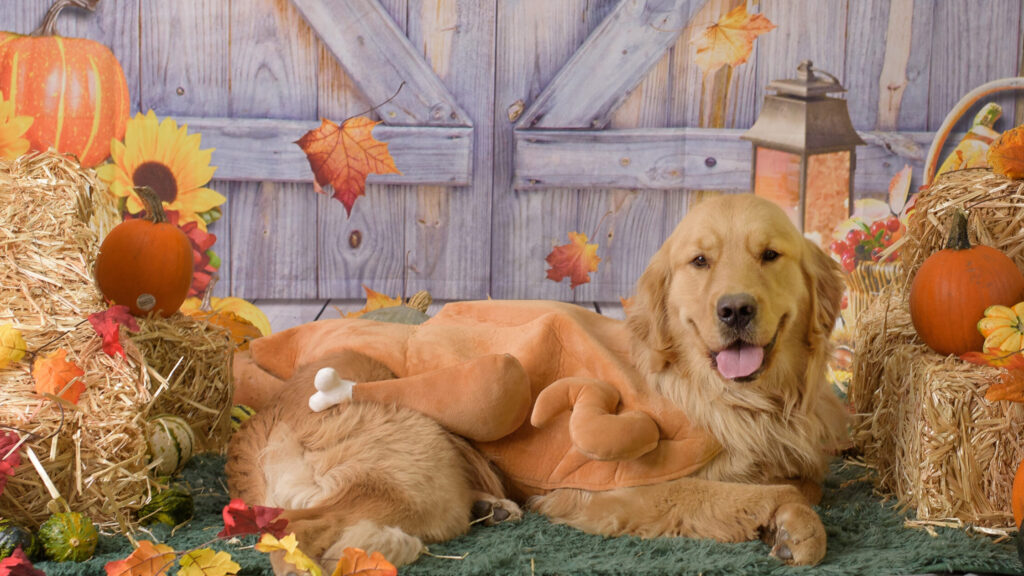
The holidays are a time for family, fun, and most importantly, in the eyes of dogs, food.
But while families are happily preparing their meals, animal hospitals are bracing for the inevitable emergency visits that result when dogs eat something they shouldn’t.
Anyone with a dog knows that look: “I see you making something delicious… where is mine?” While it can be tempting to give in to puppy dog eyes, it’s important to know what food is safe and what’s going to give you the gift of a sick dog.
Holiday Classics That Can Cause Trouble
Onions & Garlic
These kitchen staples are toxic to dogs because of the chemicals they contain that can damage red blood cells. Be careful, these are ingredients in many commercial chicken broths and stocks.
Corn Cobs
Ears of corn are just the right diameter to cause a blockage in the intestines if swallowed.
Fatty Foods
Turkey skin, red meat, gravy, buttery casseroles, and many desserts contain high amounts of fat. A dog consuming high amounts of fat can develop pancreatitis, a very painful condition where the pancreas (which processes fat) becomes inflamed. This can quickly land a dog in the hospital for IV fluids, and the dog may experience vomiting, diarrhea, and a lack of appetite.
Bones
Bones from meat should not be given to dogs. They can splinter and cause damage to the sensitive stomach lining and intestines, or become lodged in their intestines, which could lead to a life-threatening perforation.
Bones are often given to dogs as chews. Even if the dog does not consume the bone, it is still too firm and can damage or break teeth. You can read more about keeping your dog’s teeth healthy in our blog, Say Goodbye to Stinky Dog Breath: Simple Tips for a Healthier Mouth!
Chocolate
Chocolate contains caffeine and theobromine, which overstimulates the central nervous system and heart. The darker the chocolate, the more dangerous it is.
Stuffing
Though it may seem harmless, stuffing or holiday dressing usually contains onions and garlic, making it toxic to dogs.
Mashed Potatoes
While potatoes themselves aren’t toxic, butter, cream, garlic, and other seasonings make this holiday dish risky for dogs.
Tasty Holiday Options That Won’t Hurt Their Tummy
Good news: dogs can share in the holiday spirit, and some of the holiday plate, if foods are prepared safely and the dog isn’t on a restricted diet (some PAWS dogs are).
Turkey (the Plain Kind)
While your dog can’t enjoy that beautifully basted, herb-covered turkey roasting in the oven, plain, cooked turkey meat with the skin and bones removed is safe in moderation.
Veggies, Hold the Seasonings
Vegetables are a staple at many holiday tables and can be shared with dogs if they are not seasoned and are in the correct form. Plain, off-the-cob corn, green beans, sweet potatoes, and pumpkin are all safe options.
Portion Control: A Little Goes a Long Way
We’ve built the perfect pup meal plan, but let’s talk about portions. Just how much holiday food is healthy for a dog?
It’s helpful to think about this in terms of how much the dog usually eats in one sitting. For smaller breeds like papillons, a holiday plate for them might include one small piece of turkey and just a dab of the vegetables.
Larger breeds like labradors and poodles can have a bit more, such as a few pieces of turkey and a teaspoon of each vegetable type.
Ultimately, the amount offered should be comparable to how much kibble the dog would eat in one sitting.
If you’re just sneaking your dog a scrap here and there under the table, treats should not total more than 10% of a dog’s daily calorie intake.
A Happy, Healthy Holiday for All
By sticking to safe foods and smart portions, both humans and dogs can enjoy everything the holiday season brings—without any unexpected veterinary visits!