Author: Hailey VanderWilt, Communications Coordinator
When people learn that Paws With A Cause (PAWS) dogs spend part of their training in correctional facilities, they often have the same question: Why?
The answer is simple. The PAWS Prison Partner Program helps prepare future working dogs for success.
For more than 15 years, PAWS has partnered with correctional facilities across Michigan to provide advanced training opportunities for dogs preparing for careers as Assistance Dogs, Facility Dogs, Visiting PAWS Dogs, Electronic Storage Detection Dogs, and other working dogs.
It’s a unique partnership that benefits the dogs, the inmate handlers, prison staff, and the individuals and communities they will eventually serve.
The Journey Begins 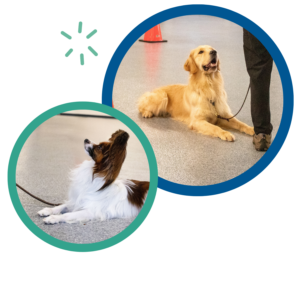
Every PAWS dog begins life with intention.
Purposefully bred for health and temperament, PAWS puppies spend their first months in volunteer breeding dog homes before transitioning to living with volunteer foster puppy raisers around eight weeks of age.
Over the next year, they learn basic obedience, confidence, and socialization skills while accompanying their raisers into everyday environments. They learn how to navigate the world around them and build the foundation needed for a future working career.
After about one year with their raiser, PAWS dogs take the next step in their journey and enter the Prison Partner Program.
Advanced Training Through Consistency
Inside the prison, each dog is paired with two inmate handlers who provide around-the-clock care and training.
The dogs live alongside their handlers and spend approximately 24 weeks working through a structured curriculum designed by PAWS. Training focuses on foundational skills such as loose-leash walking, impulse control, advanced obedience, and Canine Good Citizen requirements.
The biggest advantage of the program is consistency.
Because the dogs live with their handlers, training happens throughout the day rather than during scheduled sessions. Every interaction becomes an opportunity to reinforce good behaviors and build confidence.
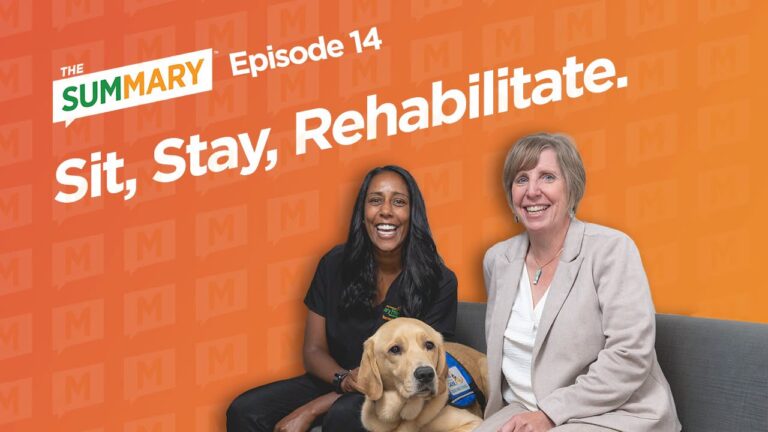
“The inmates who are there 24/7 actually have the dog live in the room with them,” explained Michele Suchovsky, CEO of Paws With A Cause. “They’re working with these dogs on those basic obedience skills and bringing them up to the next level.”
Guided by a PAWS Trainer
While inmate handlers work with the dogs every day, they aren’t doing it alone.
PAWS’ Prison Program Coordinator works directly with participating facilities, teaching classes and guiding handlers through a structured week-by-week curriculum. Together, they focus on developing the skills each dog needs before returning to PAWS for career evaluation.
Since 2018, PAWS has expanded from five correctional facilities to eight.
“The guys are always looking for the most challenging dogs,” said PAWS Prison Program Coordinator. “They just want to learn.”
Watching both the dogs and handlers grow throughout the process is a great perk of this program.
Preparing for a Future Career
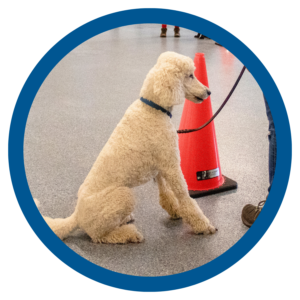
When dogs return to PAWS after completing the Prison Partner Program, their journey isn’t over.
The PAWS team evaluates each dog’s temperament, personality, long-term health, and energy level to determine which career path will be the best fit.
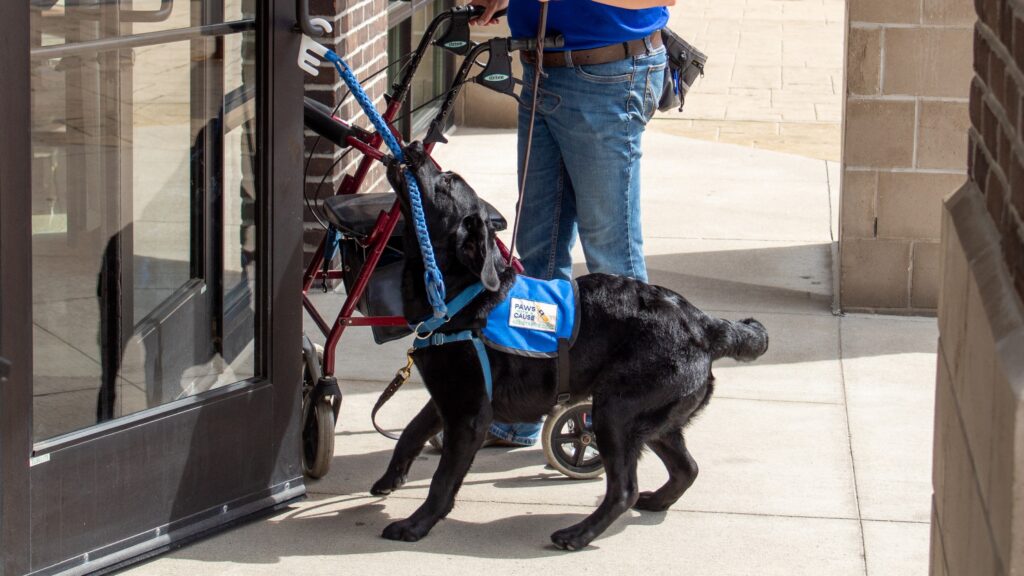
Some dogs may become assistance dogs, helping individuals with disabilities navigate daily life. Others may become facility dogs serving schools, hospitals, courthouses, or other professional settings. Some go on to become Visiting PAWS dogs or electronic storage detection dogs.
The Prison Partner Program doesn’t determine a dog’s future career. Instead, it helps prepare them for whichever path is ahead.
“The dogs come in as, in essence, puppies,” Michele said. “By the time they’re leaving, they’re so mature.”
That maturity gives PAWS trainers a strong foundation to build upon during the next stages of training.
An Important Step Along the Way
Every PAWS dog follows a unique path, but each step serves an important purpose.
PAWS Prison Partner Program provides consistency, structure, and advanced training during a critical stage of development. It helps transform energetic young dogs into focused working dog candidates while preparing them for the next phase of their journey.
In our next blog, we’ll explore another side of PAWS’ Prison Partner Program: the life-changing impact it has on the inmate handlers and correctional facilities that help make PAWS work possible.
Source:
Paws With A Cause: Training Service, Finding Purpose — Mutually Inclusive, WGVU Public Media (video).